
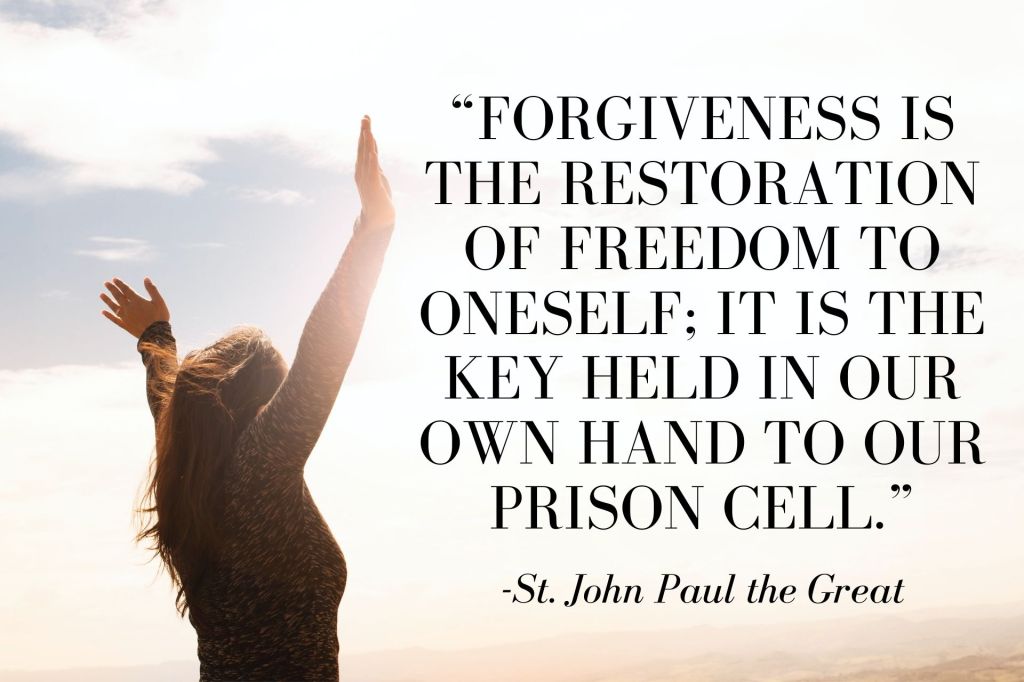
Forgiveness is one of the most powerful yet challenging aspects of the Christian faith. Most of us have been told to forgive; yet, when it comes to applying it in life, it seems like a different story. The bottom line is that forgiveness is not just a theological principle; it is a constant personal journey. For myself personally, the path to forgiveness was a journey that would test my faith, reveal my weaknesses, and ultimately bring me closer to God’s grace.
The Struggle to Forgive
My path to forgiveness started with hurt. Like many people, I’ve faced betrayal, disappointment, and heartbreak in relationships that deeply affected me. Whether it was a friend who let me down, a family member who hurt me with words, or an injustice that I couldn’t escape, the pain seemed insurmountable at times.
For a while, I carried that hurt like a weight around my heart. I found myself replaying the wrongs done to me, over and over again. The anger and resentment began to fester inside of me, and it started affecting how I saw the world. I became bitter, unable to move forward, and trapped in the emotional prison of unforgiveness.
At first, I didn’t even realize that I needed to forgive or that I was holding on so strongly to pride. All I cared about was feeling justified; people who did bad things didn’t deserve forgiveness, they deserved justice. I didn’t want or feel the need to let go of the anger. The only way to protect myself was to put up walls.
The Turning Point: God’s Word and Conviction
But then came the turning point. As God started to prune my heart, I finally came to understand that forgiveness is not a mere suggestion, but a command from God — a command that was not optional for someone who called themselves a follower of Christ. The heaviness weighed on me, which indicated a great need for biblical counsel to help me forgive.
One of the verses that really struck me during this time was Matthew 18:21-22, when Peter asked Jesus how often he should forgive someone who sins against him. Jesus replied, “I tell you, not seven times, but seventy-seven times.” The enormity of that statement weighed on me. Jesus wasn’t giving me a loophole or a limit. He was showing me that I should lose count of how many times I forgive; it should be a continual, limitless choice.
Additionally, I was confronted by the words of the Lord’s Prayer: “Forgive us our debts, as we also have forgiven our debtors” (Matthew 6:12). How could I ask for forgiveness from God if I wasn’t willing to forgive others? And not just that, but how could a perfect and holy God offer forgiveness to the entire world while I, a corrupted and sinful human, couldn’t even forgive one, two, or even a hundred people? This simple yet profound truth pierced my heart. I realized that my inability to forgive was hindering my relationship with God.
The Cost of Forgiveness: Confronting My Pain
Forgiving others is not easy. I don’t want to sugarcoat it. In fact, forgiveness often feels like an impossible task when you’re deeply hurt. There were days when I felt like I simply couldn’t do it. The emotions of betrayal, hurt, and anger felt too overwhelming. How could I forgive those who had wronged me so deeply?
But over time, I began to understand that forgiveness was not about the other person. It wasn’t about them asking for it or earning it. Forgiveness was about me choosing to release the grip that the hurt had on my heart. It was about letting go of my right to hold onto anger and allowing God to work in my life to make me look more like Jesus.
In this process, I had to come face-to-face with my own pride and stubbornness. I had to admit that, just like the people who hurt me, I too had wronged others and needed God’s forgiveness. As Romans 3:23 reminds us, “For all have sinned and fall short of the glory of God.” If God could forgive me, despite all my mistakes, who was I to withhold forgiveness from others?
God’s Healing: Finding Peace in Forgiveness
As I made the choice to forgive, it wasn’t immediate or perfect. There were days when I struggled and days when I felt like I was taking one step forward and two steps back. But, with each act of forgiveness, I felt a little lighter, a little freer. I began to experience the peace that comes from releasing my bitterness and resentment.
I also learned that forgiveness doesn’t mean forgetting the offense or excusing the wrongdoing. It doesn’t mean I had to pretend everything was okay or that the hurt didn’t matter. Rather, forgiveness meant choosing to no longer hold that person’s sin against them, choosing to let go of the bitterness that was destroying my peace.
One of the most beautiful truths I discovered during this time was how God used my willingness to forgive as a tool for healing, not just for the other person, but for me. As I forgave, I experienced emotional and spiritual healing. I realized that forgiveness was not only a gift to others but also a gift to myself — a gift that brought me closer to the heart of God.
The Power of Forgiveness: A Changed Heart
Through my journey of forgiveness, I also discovered a deeper understanding of God’s love for me. The more I forgave, the more I was able to experience His love and mercy in a new way. I realized that true forgiveness flows from God’s love for us and that it’s a reflection of the forgiveness He extended to us through Jesus Christ.
Jesus’ sacrifice on the cross is the ultimate act of forgiveness. In Colossians 3:13, Paul writes, “Bear with each other and forgive one another if any of you has a grievance against someone. Forgive as the Lord forgave you.” Jesus forgave me when I didn’t deserve it, and in the same way, He calls me to forgive others. This call to forgive serves as a powerful tool for spreading the gospel. I’ve reached the conclusion that whenever I encounter people who have hurt me, I want to ensure that I’ve dealt with any unforgiveness, bitterness, or anger in my heart. This way, I can reflect the love of Christ to them. Forgiveness doesn’t necessarily mean that everything returns to the way it was before, but rather, it allows them to experience and witness the same mercy and grace that God has shown me.
Forgiveness has transformed me. It has softened my heart, made me more compassionate, and freed me from the chains of resentment. I now see forgiveness not as a burden, but as a beautiful part of my walk with Christ — an opportunity to reflect His grace to a world that so desperately needs it.
Conclusion: The Continuing Journey of Forgiveness
I’ve learned that forgiveness is not a one-time event but a continual choice. It’s a decision to extend grace, not just to others, but to myself. Forgiveness is an ongoing journey that requires dependence on God’s strength and a willingness to obey His Word. And every time I make the decision to forgive (or anyone makes the decision to forgive), it is one small picture of what the good news of the Gospel is.
I don’t have all the answers, and I don’t always get it right. But with each act of forgiveness, I find peace, healing, and a deeper relationship with God. Forgiveness has freed me to live a life of grace, not just for others but for myself as well. And I am forever grateful for the gift of forgiveness that God has given me — and that I now have the privilege to share with others.
 The Christian Girl Chat
Leave a comment